 Ћирилица
 Latinica
 English

What 2026 Means for the MISSION Project
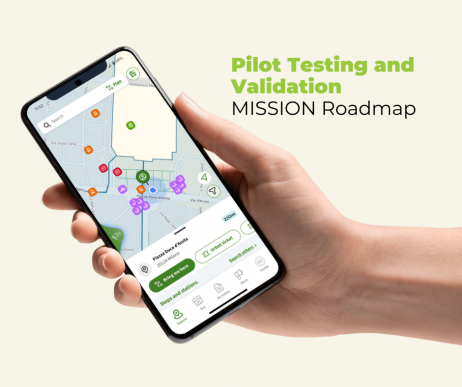
From planning phases to tangible urban impact
2026 marks a turning point for the MISSION – Multi-modal Inclusive Smart Urban mobility SolutIONs project — extending beyond early research and co-design into advanced implementation, testing, and impact validation across partner cities in the Adriatic-Ionian region.
Already since its launch in September 2024, MISSION has established strong foundations in integrated multimodal mobility research, stakeholder engagement, and SmartApp conceptual development. As we step into 2026, the project will increasingly focus on putting these foundations into practice — moving towards real-world pilots that support sustainable, inclusive and efficient urban transport systems.
From Concept to Real Use Cases
In 2024 and 2025, MISSION focused on co-design with stakeholders and data gathering, shaping what the integrated SmartApp and pilot frameworks should look like through focus groups involving citizens, public administrations, researchers and mobility operators.
In 2026, the emphasis will shift towards deployment and validation of the tools and methodologies that have been developed so far. This means:
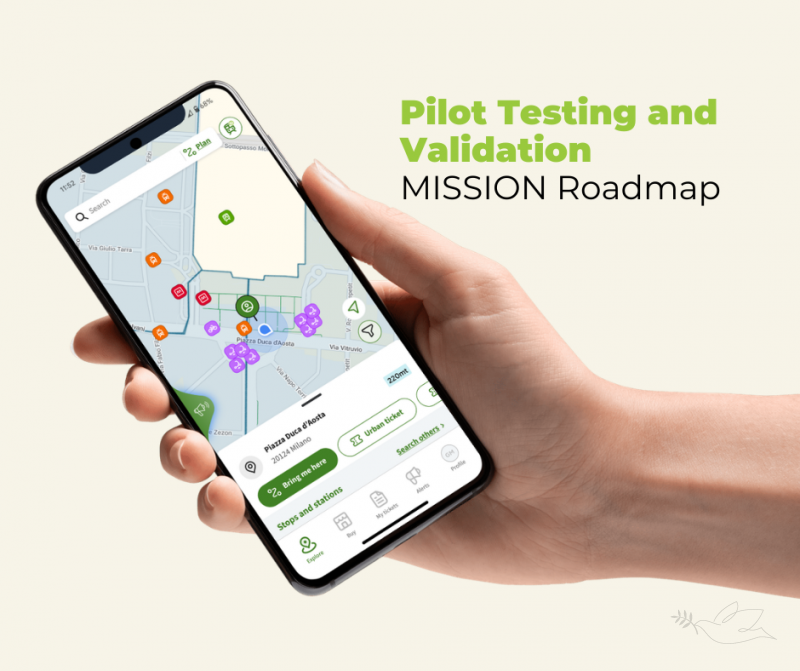
- piloting the SmartApp in five Adriatic-Ionian cities and refining it based on user feedback and operational data
- demonstrating how integrated journeys (e.g., public transport combined with cycling and walking options) can improve accessibility, travel experience and modal shift away from private car use
- collecting measurable evidence on service levels, safety perceptions, and user satisfaction
These pilots will provide actionable insights for stakeholders and city administrations, moving from theoretical design to real impact on urban mobility patterns.
Testing and Validation in Real Environments
2026 is the year when testing takes center stage:
- SmartApp field trials will capture real units of data on travel behaviour
- Integration with existing city transport systems will show how ITS (Intelligent Transport Systems) can work in practice
- Participatory evaluations with citizens and transport providers will measure usability, inclusivity and effectiveness
- This practical validation phase is essential to confirm that the solutions developed truly respond to everyday mobility needs rather than remaining conceptual.
Why This Matters for Cities and Citizens
For partner cities like Novi Sad, Sarajevo, Podgorica, Maribor and others involved, 2026 means testing the transition from planning to public use. Through real applications, MISSION will:
- help reduce reliance on private cars
- make public transport and active mobility (walking, cycling) more attractive
- improve accessibility for all users, including vulnerable groups
- generate data-driven insights to support smarter policy and investment decisions
These measurable results will not only benefit the pilot cities, but also serve as transferable lessons and best practices for other municipalities in the broader Adriatic-Ionian region and beyond.
Discover What’s Next
2026 is not just another calendar year for MISSION — it’s the moment when ideas are put into practical use, tested with real users, and evaluated for measurable impact. From prototypes to pilots, and from dialogue to data-driven decisions, this year will determine how smart, inclusive mobility solutions can become integrated into everyday urban life across the Adriatic-Ionian region.
Discover the 2026 roadmap and follow our progress as MISSION moves from planning into actionable urban impact.
For more details about the MISSION project, please visit the website:
https://mission.interreg-ipa-adrion.eu/
Contact information
Phone:
+381 21 420-066
Address:
Trg slobode 1
21101 Novi Sad
Republic of Serbia